




TECHNOLOGY | 6 MIN TO READ
Protecting wind turbines with effective lightning protection systems
Here, we explore the key components of an LPS, the importance of routine inspections, and actionable recommendations to maintain optimal performance.
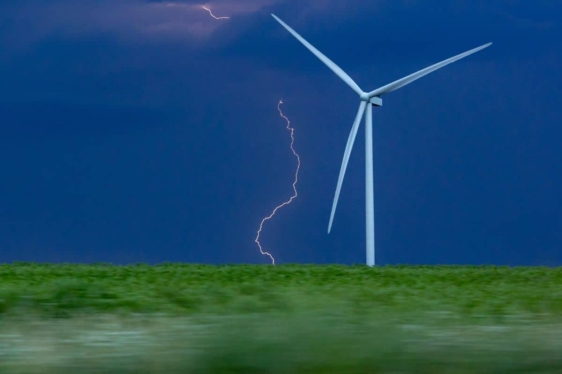
Understanding lightning protection systems
Wind turbine LPS are engineered to meet rigorous standards, such as IEC 61400-24, enabling them to handle lightning currents between 100-200kA without significant wear. The system ensures that lightning strikes, which typically target the turbine blades, are safely directed to the ground.
Key components of an LPS
1. Receptors
- Common issues: Wear, corrosion, or poor connections can impair their functionality.
- Maintenance tips: Inspect for scorching, deformation, or other signs of damage regularly.
2. Receptor block
- Common issues: Corrosion or poor contact can disrupt the flow of current.
- Maintenance tips: Regularly measure electrical resistance and inspect for connection integrity.
3. Down conductor cable
- Common issues: Fatigue or connection failures.
- Maintenance tips: Use drones or internal inspections to identify separation or damage early. Additionally, utilize specialized tools, like our :CONDUCTOR LIGHTNING, to pinpoint weaknesses or damage in conductors that could lead to system failures.
4. Root connection
- Common issues: Failures here can force lightning to seek alternative paths, risking damage to components like blade bearings.
- Maintenance tips: Ensure secure connections through routine checks.
5. Lightning transfer system
- Common issues: Wear or contact degradation can reduce effectiveness.
- Maintenance tips: Inspect for poor contact or wear during routine maintenance.
The importance of routine inspections
- Wear on receptors.
- Corrosion or loose connections in the receptor block.
- Fatigue in down conductor cables.
- Poor grounding connections.
Using advanced techniques like drone inspections can improve efficiency and ensure hard-to-reach components are evaluated thoroughly.
The risks of neglect
- Cracked blades or scorched surfaces.
- Bearing and drivetrain failures.
- Damage to electrical systems.
- Extended downtime and costly repairs.
Proactive maintenance can mitigate these risks, enhancing turbine reliability and safety.
Recommendations for wind turbine operators
- Check receptor wear, sealant integrity, and resistance.
- Inspect down conductor connections during planned maintenance.
2. Leverage advanced tools
- Use drones for internal inspections.
- Install lightning trackers for better data and protection strategies.
3. Prioritize component health
- Monitor grounding systems and address wear promptly.
By maintaining an effective LPS, operators can significantly reduce the risk of lightning damage, ensuring turbines operate safely, efficiently, and with minimal downtime.
Investing in proactive LPS maintenance protects both turbines and their operators’ bottom lines, making it a critical component of modern wind energy strategies.

Related articles

Protecting wind turbines with effective lightning protection systems
This blog article explores the key components of an LPS, the importance of routine inspections, and actionable recommendations to maintain optimal performance.
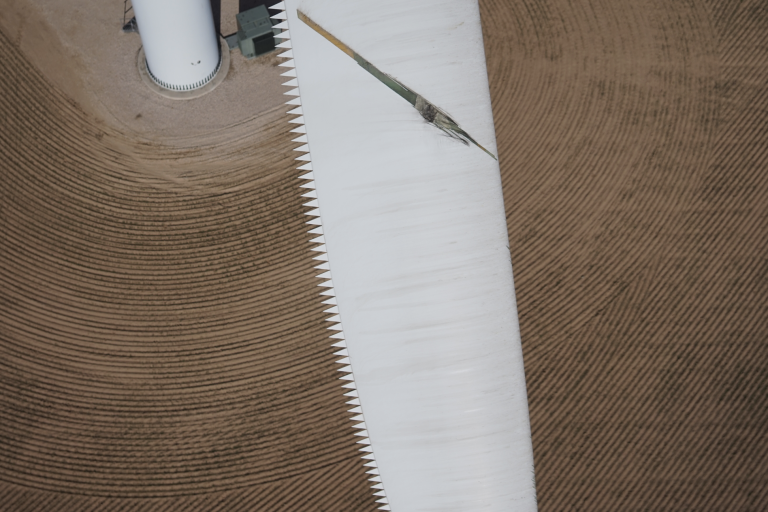
Detecting surface damage in wind turbines: A smart approach to cut costs
This blog article describes why proactive surface damage detection on wind turbines is essential for controlling cost.
Strike back: A 12-step guide after a lightning strike hits a wind turbine
Knowing what steps to take after a lightning strike hits wind turbines is crucial. This article explores the process of assessing and addressing damage post-lightning strike.

Affected by lightning – the most lightning-prone areas in the USA
Recent data offers cruical insights into lightning activity across the United States. In this blog, we delve deeper into lighting prone areas in the US and summarized the most important data for you.
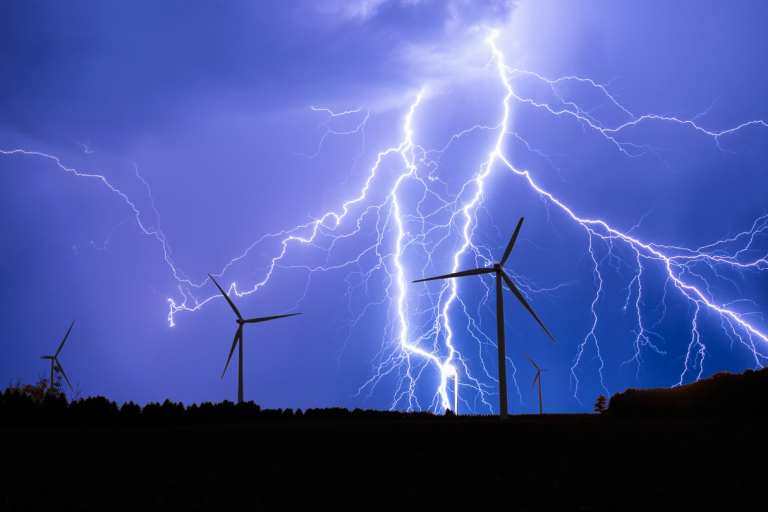
Challenges with lightning strikes on wind turbines
Wind energy has emerged as a pivotal player in the global transition towards sustainable power sources. As wind turbines stand tall and harness the power of the wind, they are not without their challenges. Let’s delve into the challenges and potential consequences of lightning strikes on wind turbines.
Effective blade heating for wind turbines
Wind turbines are exposed to various environmental influences all over the year – with sometimes considerable effects on performance, yield and safety. Icing also plays a major role here. Innovative blade heating systems therefore offer various approaches to solving the icing problem and protecting the environment and your service team.